



LATEST NEWS
Boat Maintenance: complete guide to boat safe and performing
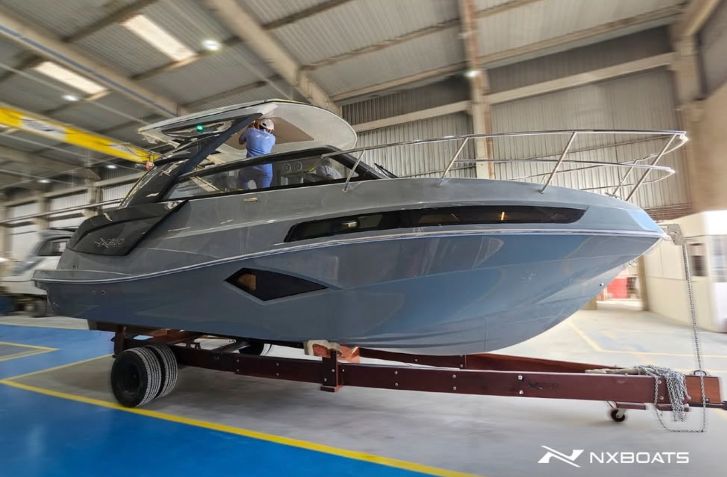
Proper boat maintenance helps keep onboard systems operating efficiently while supporting safe, reliable performance throughout the vessel’s service life.
More than a basic routine, proper care protects onboard systems, maintains excellent handling, and preserves the refined finish of a premium boat.
Like a car, a boat requires regular inspections and preventive maintenance to operate reliably.
Timely care helps prevent mechanical failures, reduce repair costs, and provide greater peace of mind on the water.
At NX Boats, we believe the boating experience begins before departure. A well-maintained vessel delivers the comfort, confidence, and performance needed to enjoy every moment on board.
Why Is Boat Maintenance Important?
Regardless of the vessel’s size, regular maintenance is essential to preserve its structural integrity, keep onboard systems operating correctly, and ensure safety on the water.
A preventive maintenance routine extends the boat’s service life, reduces unexpected failures, preserves engine performance, protects the hull and metal components, and helps maintain resale value.
Regular inspections can also prevent many common mechanical problems before they affect the boating experience.
Boat Maintenance Checklist: What Should You Inspect Regularly?
Creating an inspection routine makes it easier to identify minor wear before it develops into a more serious problem. Here are the main areas to check:
| Component | Recommended frequency |
| Engine | Before every trip and during scheduled servicing |
| Hull and deck | After every use and during monthly inspections |
| Electrical system | Every season |
| Plumbing and air-conditioning systems | Every season |
| Hardware and moving parts | Monthly |
| Covers and upholstery | After every use |
Below, we explain what to consider when inspecting each component.
Engine
Regular boat engine maintenance helps preserve performance, reliability, and fuel efficiency.
Before departure, inspect the oil level, cooling system, hoses, filters, battery, propeller, and fuel lines.
After use in salt water, follow the manufacturer’s freshwater flushing procedure. Schedule annual servicing with a qualified marine technician.
Hull and Structure
The hull plays a key role in the boat’s stability, fuel efficiency, and overall performance. Regular inspections help identify early signs of wear and preserve the vessel’s structural integrity.
Check the surface for scratches, cracks, impact marks, marine growth, and gelcoat deterioration. After each outing, rinse the hull with fresh water and use products developed for marine surfaces.
Periodic waxing adds protection against UV exposure, salt, and environmental wear while helping maintain the hull’s original finish and refined appearance.
Electrical System
The electrical system requires regular inspections to ensure safety and reliability.
Check the following components:
- Battery
- Terminals
- Electrical wiring
- Navigation lights
- Instrument panel
- Circuit breakers
If you notice oxidation on any connections, clean them and apply a suitable marine-grade grease to protect them against moisture.
Plumbing and Air-Conditioning Systems
On larger vessels, plumbing and air-conditioning systems should also be included in the boat maintenance routine.
Regularly inspect:
- Water pumps
- Hoses
- Connections
- Valves
- Air-conditioning filters
- Bilge pumps
Keeping the bilge clean makes it easier to identify fuel, oil, or water leaks before they cause more serious damage.
Hardware and Moving Parts
Several components are constantly in use while the boat is underway, including:
- Hinges
- Rails
- Locks and latches
- Seat mechanisms
- Anchor windlass
Periodic lubrication helps reduce the natural wear caused by salt and moisture.
Covers and Upholstery
Proper upholstery care has a direct impact on the boat’s comfort and appearance.
After every use:
- Use marine-specific cleaners to preserve the upholstery and finishes
- Allow air to circulate through the interior to reduce trapped moisture
- When the boat remains docked or stored, protect exposed areas with a properly fitted cover
These precautions help prevent mold, stains, and premature fabric deterioration.
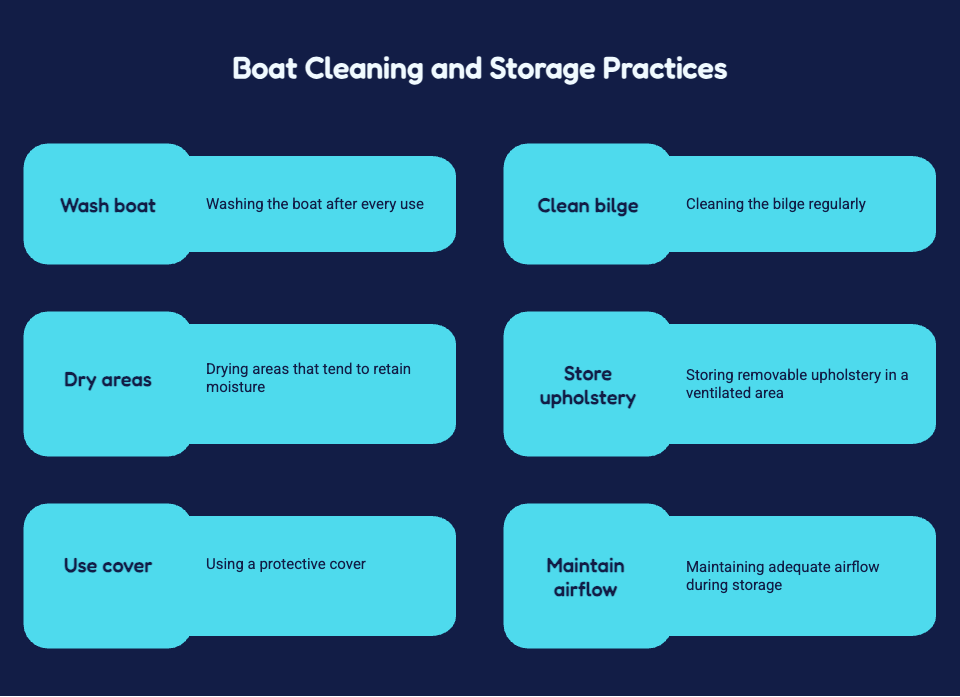
Boat Hull Maintenance: Protecting the Structure
A boat’s hull is constantly exposed to sunlight, salt water, and the natural impacts of navigation. For this reason, it requires special attention.
The main recommendations include:
- Washing the hull after every use
- Removing salt and debris
- Applying protective wax
- Visually inspecting the gelcoat
- Periodically assessing the bottom paint, when applicable
A clean hull also improves hydrodynamic performance and helps reduce fuel consumption.
Best Practices for Boat Engine Maintenance
Of all the systems on board, the engine requires the most careful monitoring.
Best practices include:
- Replace the engine oil at the intervals specified in the service manual
- Replacing filters
- Inspecting the water pump
- Cleaning the fuel system
- Checking the battery
- Inspecting the propeller
- Examining the spark plugs
It is also important to avoid leaving old fuel in the tank for extended periods. Aging fuel can produce deposits and affect the fuel injection system.
How to Prevent Corrosion on a Boat
Corrosion is a major concern in marine environments, but regular care can minimize its effects.
Rinse the boat with fresh water after every trip, remove salt deposits, lubricate metal parts, protect electrical connections, and maintain paint and protective coatings.
Stainless-steel components also require routine cleaning to preserve their appearance and corrosion resistance.
Boat Maintenance Schedule
An organized routine reduces unexpected failures and makes it easier to plan inspections and servicing. The following schedule can serve as a reference for keeping your boat in excellent condition throughout the year.
| Frequency | Recommended maintenance |
| Before every trip | Check the oil level, battery, fuel, cooling system, lighting, safety equipment, and visually inspect the hull |
| After every trip | Rinse the boat with fresh water, flush the engine when required, clean the upholstery, and remove debris from the deck |
| Monthly | Lubricate hardware, check electrical connections, inspect the bilge pumps, and examine the propeller |
| Every season | Inspect the fuel lines, battery, plumbing, air-conditioning, and steering systems |
| Annually | Perform a complete engine service, replace filters and fluids, inspect the hull, service the trailer, and assess structural components |
This schedule makes following a boat maintenance checklist much easier and reduces the possibility of unexpected downtime.
Read more: Yachting tips for beginners: tips for starting with safety and confidence
How Much Does Boat Maintenance Cost?
Boat maintenance costs depend on the vessel’s size, engine configuration, frequency of use, and operating conditions.
For modern fiberglass boats, annual expenses are often lower than expected and typically remain below 10% of the boat’s value with preventive care.
Costs may be even lower during the first few years, while major components are still within their expected service life.
Enjoying the content? Check out the NX260 Evolution by NX Boats!
At-Home Maintenance Costs
Owner-performed maintenance requires only a few basic supplies:
- Marine shampoo
- Soft brushes
- Microfiber cloths
- Gelcoat-specific wax
- Marine-grade lubricants
- Upholstery cleaning products
This small investment helps preserve the boat’s finish and prevent future repair costs.
Professional Maintenance Costs
Some services require specialized tools and technical expertise, including:
- Oil changes
- Filter replacement
- Engine servicing
- Electronic diagnostics
- Steering system maintenance
- Plumbing system servicing
- Bottom painting
Read more: How Much Does a Speedboat Cost: Prices, Pricing Factors, and Ownership Expenses
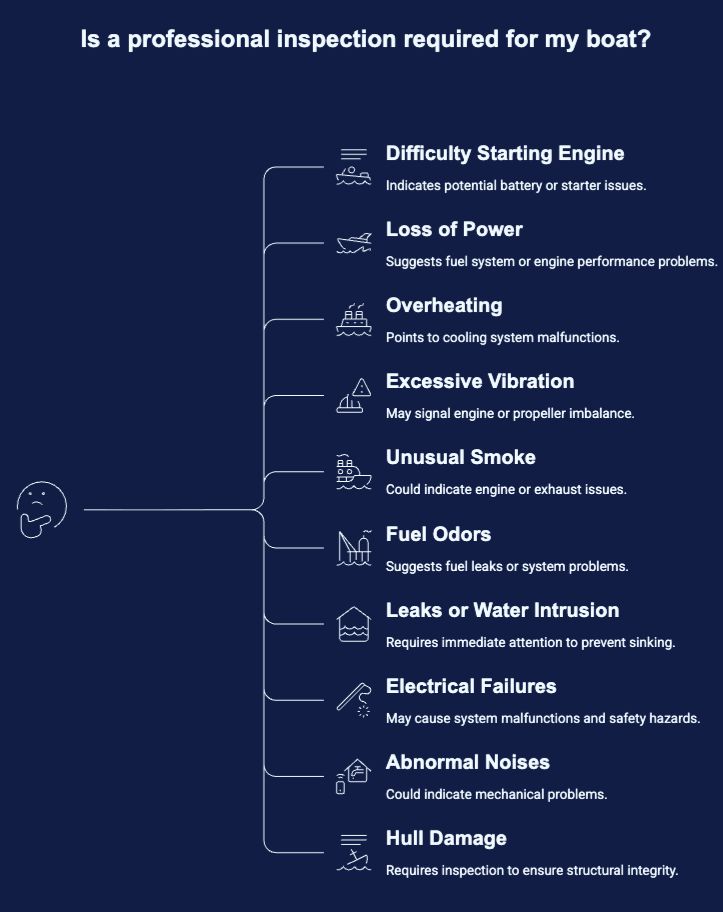
Boat Maintenance and Repair: Do It Yourself or Hire a Professional?
Many boat owners can perform routine tasks such as cleaning, visual inspections, and basic lubrication, which also helps them become familiar with the vessel’s systems.
However, technical services involving the engine, electrical system, hydraulic steering, onboard electronics, and bottom painting require qualified professionals, proper tools, and approved parts.
Professional assistance reduces safety risks, preserves the boat’s reliability, and helps maintain equipment warranties.
Count on NX Boats’ Excellence for Every Boating Experience
At NX Boats, we believe that a premium vessel deserves a level of care that matches its build quality.
Our models combine contemporary design, refined finishes, excellent handling, and engine options developed to deliver performance, comfort, and reliability for different boating lifestyles.
In addition to the quality found in every detail, we offer specialized support to guide our customers on the best practices for boat care, operation, and maintenance.
This commitment strengthens long-term relationships and helps ensure that every experience on board is smooth and enjoyable.
If you are looking for a boat that combines innovation, sophistication, and safety, explore the NX Boats portfolio and discover how our models are designed to create unforgettable moments on the water.
Conclusion
Boat maintenance goes beyond routine inspections: it preserves safety, improves performance, and reduces future repairs.
Simple practices, such as rinsing the hull, monitoring the engine, and scheduling regular servicing, extend the life of onboard systems.
Combined with professional assistance, preventive care protects the owner’s investment and keeps the boat ready for new journeys.
Would you like to learn more about the boating world? Keep following the NX Boats blog for more content about navigation, technology, design, and essential care for enjoying every moment on the water.
FAQ
What Regular Maintenance Should Be Performed on a Boat?
Regular boat maintenance includes checking the engine, hull, battery, fuel lines, electrical system, hardware, and upholstery according to usage and manufacturer guidelines.
What Is Boat Maintenance?
Boat maintenance involves regular inspections, cleaning, adjustments, and servicing to keep a vessel in optimal condition. These practices preserve safety, performance, and appearance while helping prevent mechanical and structural problems.
What Are the Four Types of Boat Maintenance?
The four main types are:
- Preventive maintenance
- Corrective maintenance
- Predictive maintenance
- Scheduled maintenance
Each serves a specific purpose. When combined, they help improve the vessel’s reliability and service life.
What Are the Five Basic Maintenance Skills?
Every boat owner should develop a few fundamental skills:
- Performing visual inspections
- Identifying signs of corrosion
- Monitoring oil and fluid levels
- Cleaning the boat correctly
- Recognizing when professional technical assistance is required

Um novo mundo está surgindo, e a NX Boats faz parte dessa mudança, estamos revolucionando o design, unindo conforto e modernidade tudo isso por que queremos proporcionar a melhor experiência para quem navega com uma NX.