


LATEST NEWS
Buying a Used Boat: Start With the Right Questions
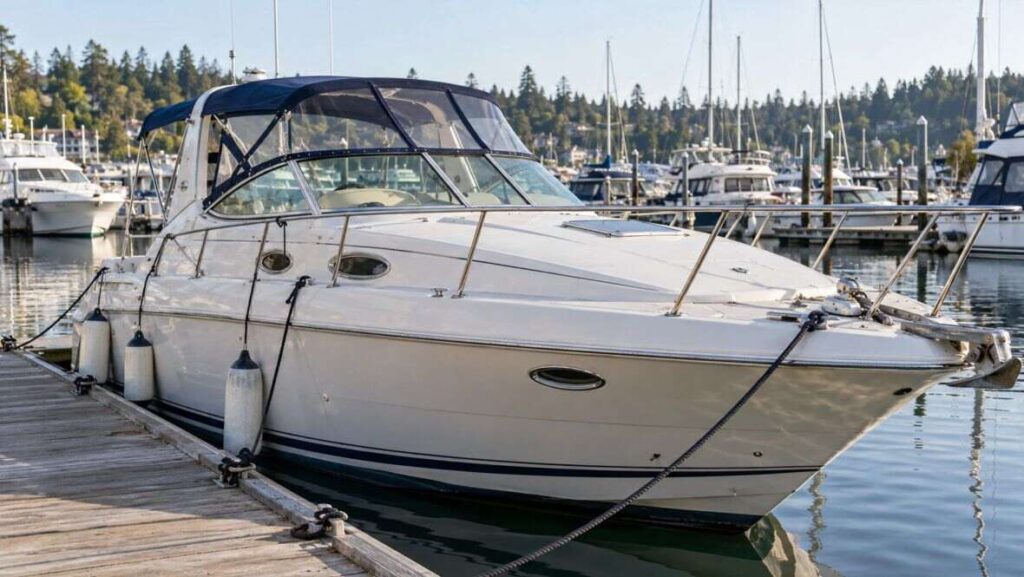
Choosing between used boats requires more than comparing prices, sizes, and engine hours. The buying process begins with questions about the boat’s history, overall condition, and the costs involved in getting it ready to sail.
A boat with a refined finish may still require repairs that are not immediately visible. Meanwhile, an older vessel may have a consistent maintenance history and be well suited to its intended use.
In this guide, we explain what to inspect, which questions to ask the seller, and how to negotiate based on objective criteria.
What to Check Before Buying a Used Boat
Evaluating a used boat requires a combination of visual inspection, document review, and functional testing. For a high-value purchase, hire an independent marine surveyor and confirm the scope of the inspection before the visit.
Hull, Deck, Transom, and Structural Condition
Inspect the hull, deck, and transom, the rear structure that may support the engine. Look for cracks, deformations, soft spots, and differences in finishes that could indicate previous repairs.
Ask for details about any previous work. Fresh paint deserves closer attention when there are no service records or a clear explanation for the work.
Engine Condition and Service History
Request invoices, maintenance records, and engine identification details. Compare the reported engine hours with the available documentation and visible signs of wear.
Ask for a cold engine start. Unusual noises, persistent smoke, and leaks require a mechanical inspection. Low engine hours alone do not guarantee good condition.
Electrical Systems, Plumbing, and Onboard Equipment
Test the lighting, instruments, batteries, bilge pumps, faucets, and toilet. If equipped, also check the air conditioning, generator, and navigation equipment.
Look for improvised connections, corrosion, and signs of water intrusion. Confirm which accessories are included in the sale to avoid discrepancies between the listing and what is delivered.
Propeller, Outdrive, and Trailer
Check the propellers for dents and inspect the outdrive, if equipped, for corrosion and leaks. Damage to these components requires a proper diagnosis before estimating repair costs.
If the purchase includes a trailer, inspect the tires, frame, bearings, brakes, and compatibility with the boat. Make sure to review the trailer’s documentation as well.
Documents, Title, Liens, and Ownership History
Verify that the hull identification number matches the documentation and that the seller has the legal authority to complete the transaction.
Request proof of ownership and clarification regarding outstanding loans, liens, or other restrictions. Documentation requirements vary depending on where the boat is registered, so confirm the applicable rules before making any payment.
What Questions Should You Ask a Used Boat Seller?
A straightforward conversation can help identify missing information before spending money on travel or a professional inspection. Whenever possible, request written answers and supporting documentation.
Use these questions as a starting point:
- Why is the boat being sold?
- How long has the current owner owned the boat?
- Where is the boat typically used, and how is it stored?
- Has the boat ever been involved in a collision, run aground, taken on water, or undergone structural repairs?
- What maintenance or repairs have been performed recently?
- Are there any known defects or pending maintenance issues?
- Will the seller allow an independent marine survey and sea trial?
For buyers researching how to buy used boats, the consistency of the seller’s answers matters just as much as the quality of the listing. Refusal to allow an inspection or pressure to make an advance payment should be treated as warning signs.
Private Seller vs. Boat Dealer: Which Is Safer?
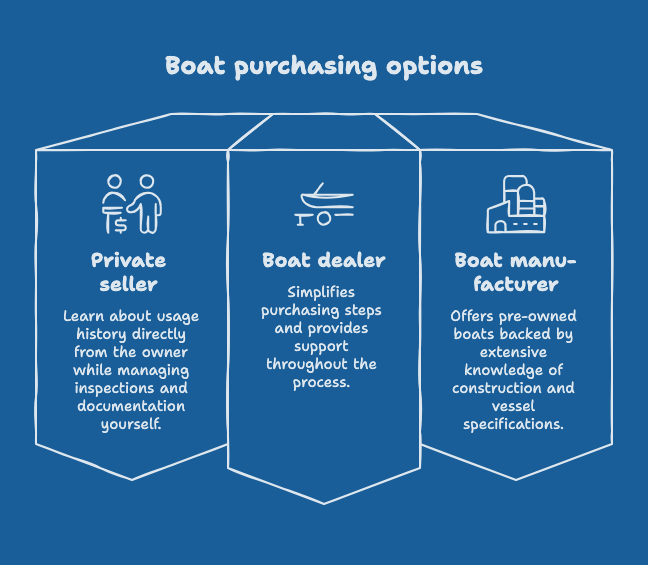
Buying from a private seller allows you to learn about the boat’s usage history directly from its owner. In this case, the buyer is responsible for arranging the inspection, reviewing the documentation, and formalizing the terms of the transaction.
A reputable boat dealer can simplify these steps and provide support throughout the purchasing process. Before moving forward, check the dealer’s reputation and confirm which services and responsibilities are covered by the contract.
Buying directly from a boat manufacturer is another option for those looking for used boats with greater confidence. At NX Boats, we also offer pre-owned boats, backed by a brand with extensive knowledge of boat construction and vessel specifications.
This direct connection allows you to discuss technical questions with our team and explore the available options based on your boating preferences and needs.
When Is the Best Time of Year to Buy a Used Boat?
The end of the boating season may offer more room to negotiate on used boats, especially in regions with harsh winters. Some owners prefer to sell before taking on additional storage and maintenance costs.
In spring and early summer, demand typically increases, which may limit available discounts. However, these trends vary depending on the climate and local market conditions.
Compare prices throughout the year and avoid making a decision based on price alone. The best opportunity combines a fair price, good overall condition, and proper documentation.
How to Negotiate the Price of a Used Boat
To assess used boats value, compare boats with similar models, years, engines, and overall conditions. Factor in additional expenses such as transportation, insurance, marina fees, and initial maintenance costs.
Use any issues identified during the inspection, along with repair estimates, to justify your offer.
Before paying a deposit, put all deadlines, responsibilities, and conditions in writing, including those related to inspections, sea trials, and deposit refunds.
Used Boat Buying Checklist
Before finalizing the purchase of a used boat, review all findings using a final checklist. Every outstanding issue should have a clear resolution or be factored into the negotiation.
- Make sure the boat suits your intended activities and frequency of use.
- Verify ownership, identification details, and any potential restrictions.
- Review the maintenance history.
- Arrange a marine survey and mechanical inspection as needed.
- Conduct a sea trial.
- Document all included equipment and agreed-upon repairs.
- Confirm insurance, transportation, and storage arrangements.
- Review the contract, payment terms, and delivery conditions.
Explore NX Boats’ models and speak with our team to find the boat that best suits your boating experience and needs.
FAQ
Is buying a 20-year-old boat a bad idea?
Not necessarily. Maintenance history, structural condition, and engine performance matter more than age alone. Hire a professional marine surveyor before making a purchase.
How much should a used boat cost?
The price depends on the model, year, engine specifications, and overall condition. Compare similar boats and consider additional costs such as initial maintenance, transportation, and documentation.
Where should I buy a used boat?
You can buy from private sellers, boat dealers, or directly from manufacturers like NX Boats. Evaluate the seller’s transparency, documentation, and level of support offered.

Um novo mundo está surgindo, e a NX Boats faz parte dessa mudança, estamos revolucionando o design, unindo conforto e modernidade tudo isso por que queremos proporcionar a melhor experiência para quem navega com uma NX.